Ten-story minimum building rule for Moscow’s first-class streets
A Gentleman in MoscowThe Ten-story minimum building rule for Moscow’s first-class streets was a building ordinance that required structures on the capital’s top-ranking streets to stand at least ten stories tall. Its effects are shown on Tverskaya Street, where the push to accommodate official parades and impose a new urban scale transformed the view of a road the Count had known for years.
Definition and Urban Setting
In the late 1930s, Tverskaya Street was widened to accommodate official parades ending in Red Square. The ordinance required buildings on first-rate streets to be at least ten stories tall, making the alteration of the thoroughfare part of a wider effort to remake its built environment rather than simply expand the roadway.
Tverskaya was an ancient route radiating from the Kremlin toward St. Petersburg. Its history made the new scale especially visible: the street’s old alignment persisted, but the architecture along it was increasingly subject to a uniform height requirement.
Implementation and Physical Change
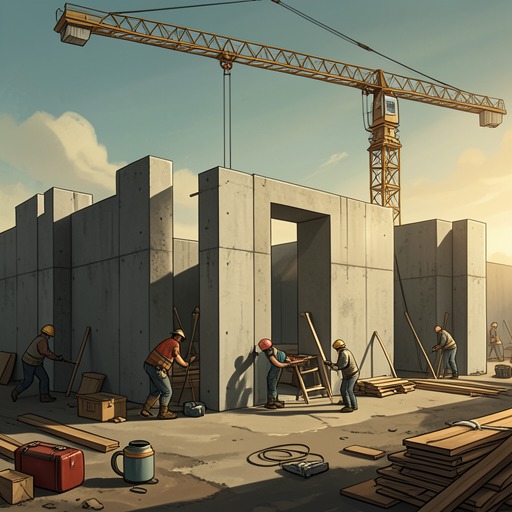
Some of the finer buildings were lifted and set back when the street was widened. Most, however, were razed and replaced with towers in accordance with the ten-story rule. The contrast between preservation by relocation and wholesale replacement captures the uneven price of the transformation: selected buildings survived, but much of the familiar street frontage did not.
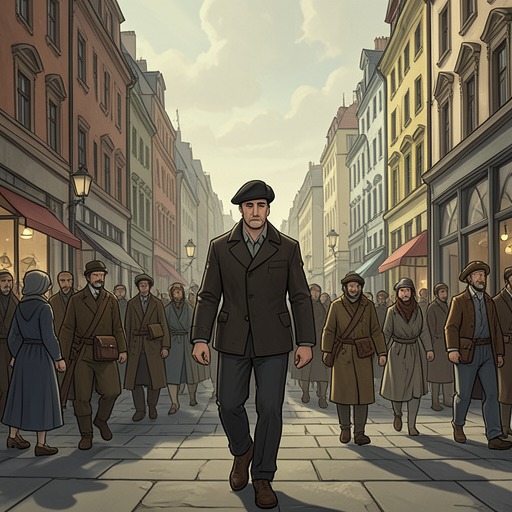
The Count encounters the consequences while being driven along Tverskaya in a van. He recognizes the old English Club, but the altered streetscape makes other landmarks difficult to pick out. The change is not merely described as a planning measure; it determines what he can see from the small square window as the van passes.
Consequences and Significance
As the facades and street lamps recede, the Count stops looking for familiar landmarks. The scene makes the ordinance legible through disorientation: the city’s past remains embedded in the route, yet demolition, setbacks, and towers have made recognition harder. The rule thus serves as a concrete instance of how official modernization could preserve a street’s broad direction while remaking the city that gives it meaning.